
Launched in February 2022, phase 2 of the “Entrepreneurship in Sustainable Tourism and the Blue Economy” program will end in May. After several weeks of training and coaching, the seven startup founders and project leaders will have to present and defend their idea before a jury.
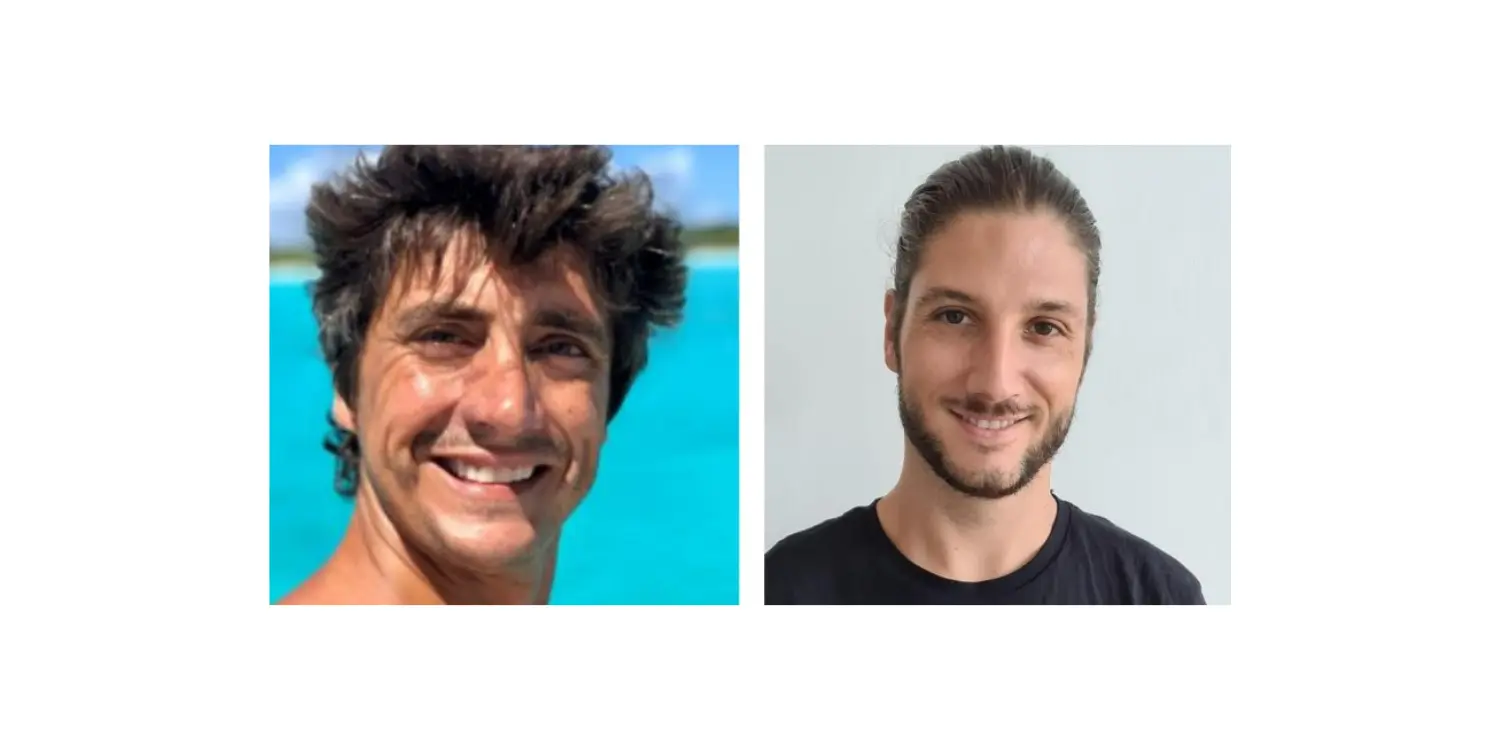
Following this pitch – which will take place by videoconference – the three best projects will be selected for the third and final phase of this incubation program. Ahead of this final test, we take stock of this second phase with Julien Condamines, Managing Director of Co-Creation Lab, and Yann LeMoël, founder of Living Labs Federation.
What is your view of the participants you supported during this second phase?
Julien: First of all, I would highlight their energy and enthusiasm, as well as their desire to transform their region in a way that creates impact. They all have the will to learn and to act. Their strength is that they have a unique knowledge of the region and its cultural specificities. This is a significant competitive advantage. Some have also demonstrated a thorough knowledge of their target market, potential partners, etc. For newcomers to the market, acquiring this knowledge can take years.
However, we noted that they lack maturity on entrepreneurship-related topics. But that is precisely the value of this program for them. It requires a lot of work on their part to get up to speed. As trainers, we had to push them to think about their strategic vision. It is a pity that some did not have optimal conditions to follow the training sessions due to power cuts and Internet outages, among other things.
Yann: Through their projects, the participants all aim to address a local issue, being focused on the local economy and advocating a sustainable and inclusive approach above all. However, they are not all at the same stage of maturity, of objective analysis of the need, or of the real traction that can be expected. Phase 2 of the program therefore gave them the means to carry out this objective analysis.
To what extent do these projects offer solutions to the challenges our territories face?
Julien: All the projects offer solutions, since they address issues related to sustainable tourism and the blue economy. That said, if they come to fruition, some will have more impact than others. It should be borne in mind that these are seed-stage projects, which are therefore likely to pivot and evolve. At this stage, the intention of those leading them is therefore a more important factor in assessing the potential impact than the projects themselves.
How can we better help young startup founders in our islands?
Julien: By further strengthening infrastructure (access to modern equipment, reliable Internet connection, etc.). We can also offer them logistical resources: funding and premises, among others. And finally, by offering them tailored support from entrepreneurship experts, from seed stage to growth.
Yann: I agree with what Julien says: we need to strengthen everything around the entrepreneur to make their life easier. For example, it would be wise to have a dedicated office to steer them toward the government and local support they can benefit from.
How can the ecosystem in which the region’s startups operate be improved?
Yann: In our discussions, we identified certain “obstacles”, such as access to funding, markets “locked” by established local players, etc. Government entities could help young entrepreneurs with targeted support, which would make them feel less alone and support their development. Beyond public assistance, they also need the support of private organizations and investors.
Julien: The region is little known, and still rarely associated with entrepreneurship at the international level. Promoting opportunities, particularly for companies in sustainable tourism and the blue economy, will help attract talent and investors to the region. This will contribute to the development of startups, thus preventing them from relocating to countries where they will have access to private investors. We also need to attract more women, who are typically under-represented in tech and entrepreneurship, as well as young people from modest backgrounds. This is essential to foster the development of an inclusive ecosystem and to create relevant solutions for all audiences.
A few words about the program
This initiative, which began in December 2021, benefits from the financial and technical support of the Representation of the International Organisation of La Francophonie (OIF) for the Indian Ocean. Its first phase enabled some 40 young people to learn the basics of entrepreneurship, the blue economy and sustainable tourism.
Cap Business Océan Indien is responsible for its implementation and relies, to this end, on three technical partners: Living Labs Federation, Co-Creation Lab and OceanHub Africa.
We invite you to watch an explainer video about the program and the sustainability challenges related to these sectors in our island territories.

Lorem ipsum dolor sit amet, consectetur adipiscing elit. Ut elit tellus, luctus nec ullamcorper mattis, pulvinar dapibus leo.