The south-western Indian Ocean is home to exceptional biodiversity and is recognised as one of the world’s 36 biodiversity hotspots. In 2022, COP15 adopted the Kunming-Montreal Global Biodiversity Framework, which notably calls on businesses to better assess their impacts and dependencies on biodiversity.
Against this backdrop, several initiatives have emerged to strengthen private-sector engagement, including the Business for Biodiversity (B4B) project led by Cap Business Océan Indien under the Varuna programme, implemented by Expertise France and funded by Agence Française de Développement (AFD). The project aims to strengthen businesses’ capacity to understand their impacts and dependencies on biodiversity and integrate these considerations into their decision-making processes.
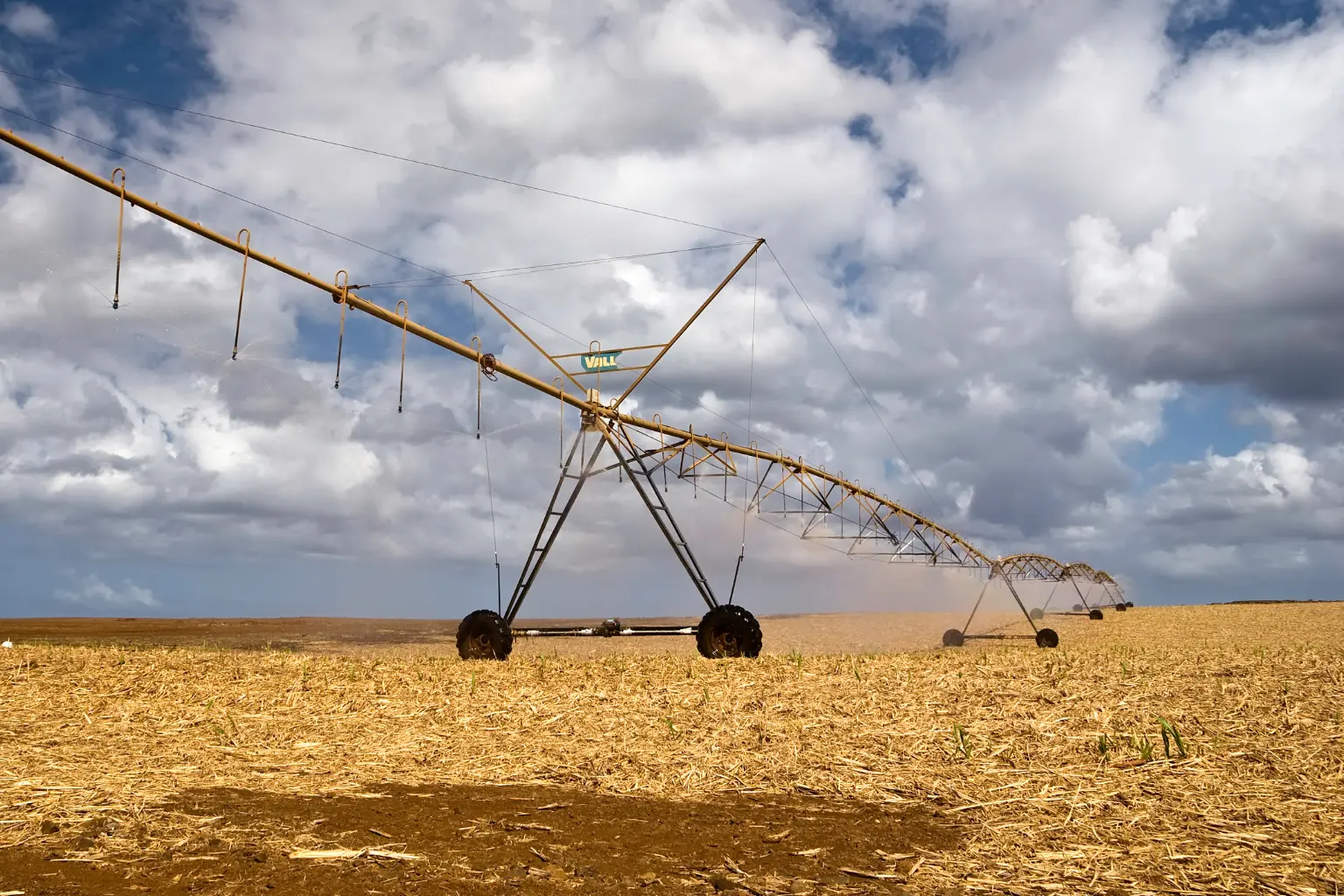
It is within this framework that this study was conducted, focusing on the agriculture and tourism sectors across the region’s six territories: Madagascar, the Union of the Comoros, Mayotte, Mauritius, Réunion and Seychelles. The analysis was conducted at two levels: a regional sectoral assessment and an applied study involving a sample of participating businesses.
To assess impacts, the methodology focused on the pressures exerted on biodiversity, drawing on four of the five direct drivers of biodiversity loss identified by the Intergovernmental Science-Policy Platform on Biodiversity and Ecosystem Services (IPBES), excluding climate change. Dependencies were assessed using the ecosystem services framework. The Driving forces, Pressures, State, Impact, and Response (DPSIR) model was adapted to the specific characteristics of the two sectors under study. Finally, the pilot assessment conducted with participating businesses used a flexible methodology inspired by the LEAP approach developed by the Taskforce on Nature-related Financial Disclosures (TNFD).