Our Themes
INTRODUCTION
Cap Business Océan Indien focuses its work around five priority sectors and four cross-cutting markers.
These themes were identified as part of the 2021–2026 roadmap, which aims to drive the systemic transformation of the regional economy and promote more sustainable, inclusive and forward-looking development models across the south-western Indian Ocean.
Inclusion
Introduction
Inclusion plays a vital role in economic development by enabling societies to unlock the full potential of their entire population. By ensuring equal access to opportunities, inclusive economies foster innovation, boost productivity and support more sustainable growth.
Building economic inclusion is therefore not only a social imperative, but also a strategic driver of performance and business resilience. More than ever, empowering women and young people, tackling gender-based discrimination and challenging stereotypes are essential to advancing sustainable development. Cap Business Océan Indien actively contributes to this ambition through its programmes and activities.
Our areas of focus
- Generate knowledge through targeted sector studies that inform the development of practical solutions.
- Strengthen the association’s capacity to support its operational team in integrating gender considerations into action plans and initiatives.
- Build the capacity of member organisations through dedicated training programmes.
Project Manager
Salimah Jaulim
E: salimah.jaulim@capbusiness.io
Circular Economy
Introduction
The circular economy is a key pillar in the ecological, economic and social transformation of the region’s island territories. By applying its principles, it helps keep the use of natural resources within levels that ecosystems can sustainably support. It creates virtuous cycles that reduce the environmental impact of economic activities while making more efficient use of material and energy flows.
The development of a regional circular economy, however, depends on several enabling factors, including stronger regional connectivity, particularly maritime links, coordinated R&D efforts across territories, and the introduction of supportive policies, reforms and regulatory frameworks.
Vision
Our areas of focus
- Generate knowledge by funding studies to identify emerging sectors, map innovations and showcase best practices.
- Bring businesses together through workshops, working groups and other collaborative initiatives to encourage interaction and foster the development of innovative, viable projects.
- Support innovative, investment-ready projects through technical and/or financial assistance.
Related projects
Project Manager
Nivershee Theeroovengadum
E: resilience@capbusiness.io
Biodiversity
Introduction
The six islands of the south-western Indian Ocean form part of one of the world’s 34 biodiversity hotspots. This exceptional natural wealth is increasingly under pressure from climate change, pollution, overexploitation of natural resources and other threats. Protecting it is critical, as key sectors of the regional economy, including sustainable tourism, the blue economy and sustainable agriculture, depend directly on the ecosystem services it provides.
Businesses across the region are on the front line of these challenges and are becoming increasingly aware of their dependence on natural capital. Yet few have the tools and expertise needed to integrate biodiversity considerations into their strategies. Doing so would strengthen the resilience of both businesses and their countries, while opening up new economic opportunities.
Against this backdrop, Cap Business Océan Indien has made biodiversity conservation a cross-cutting marker across its work. The association supports businesses in addressing biodiversity-related challenges and promotes nature-based solutions as a means of building business resilience and unlocking sustainable prosperity across the Indian Ocean.
Vision
Our areas of focus
- Generate knowledge and raise awareness of the link between biodiversity and the economy.
- Build capacity through knowledge-sharing and collective learning.
- Support pilot projects through technical and/or financial assistance.
Related projects
Project Manager
Fanny Haff
E: biodiversite@capbusiness.io
Low-Carbon Strategies
Introduction
Rising sea levels, coastal erosion and increasingly extreme weather events, the impacts of climate change are already being felt, particularly across island territories that are often on the front lines. For Cap Business Océan Indien, limiting global warming requires concrete action from both public authorities and private-sector businesses. This is why the association has made Low-Carbon Strategies a cross-cutting priority in its 2021–2026 roadmap.
As major contributors to greenhouse gas emissions, businesses have a central role to play in addressing climate change. By adopting low-carbon pathways, they can reduce their reliance on fossil fuels while mitigating risks that could affect their financial stability. In doing so, they strengthen their own resilience and that of their countries. Embarking on a decarbonisation strategy also helps businesses meet the growing expectations of their stakeholders, particularly investors.
Vision
Our areas of focus
- Raise awareness among stakeholders of climate-related challenges and vulnerabilities.
- Build capacity and strengthen business expertise by providing fit-for-purpose tools and resources.
- Support businesses through co-financing and coaching programmes to:
- Conduct carbon footprint assessments
- Develop decarbonisation strategies
- Implement concrete climate adaptation measures
Related projects
Project Manager
Nivershee Theeroovengadum
E: resilience@capbusiness.io
Sustainable Tourism
Introduction
The tourism industry is a major economic pillar for the island territories of the south-western Indian Ocean, generating employment and valuable foreign exchange earnings. Yet the sector remains particularly vulnerable to crises, as demonstrated by the Covid-19 pandemic. It also faces a growing range of challenges, including climate change, biodiversity loss and increasing pressure from human activities on coastal ecosystems.
Recognising these vulnerabilities, the tourism industry must now move towards a more resilient and sustainable model; one that balances economic growth with environmental protection while responding to the evolving expectations of its stakeholders.
Vision
Cap Business Océan Indien aims to support this transition through a range of initiatives designed to raise awareness of the risks facing the sector and encourage stakeholders to collectively rethink a fairer, more sustainable and resilient tourism model.
Through practical tools and a dedicated dialogue platform, the association seeks to build a shared understanding of key challenges, identify knowledge and skills gaps, and bring stakeholders together around a coordinated action plan. It will lead this collaborative process with the ambition of empowering leading professional organisations to carry this momentum forward over the long term.
Our areas of focus
- Raise awareness and build understanding of the challenges and opportunities of sustainable tourism across the region.
- Build capacity to foster a shared understanding of sustainable tourism and highlight its contribution to a better future for all.
Related projects
Project Manager
Nawshin Mahadooa
E: ocean@capbusiness.io
Energy & Construction
Introduction
Reducing our reliance on fossil fuels is central to the ecological transition of our island territories. This calls for action on two complementary fronts.
The first is to shift from fossil and non-sustainable fuels towards cleaner, locally available and renewable energy sources. The second is to use energy more efficiently, by improving electricity generation, optimising consumption and better managing demand.
Our areas of focus
- Raise awareness among stakeholders of the importance of driving the energy transition.
- Build capacity and promote innovative solutions.
- Support businesses through co-financing and technical assistance.
Project Manager
Nivershee Theeroovengadum
E: resilience@capbusiness.io
Blue Economy
Introduction
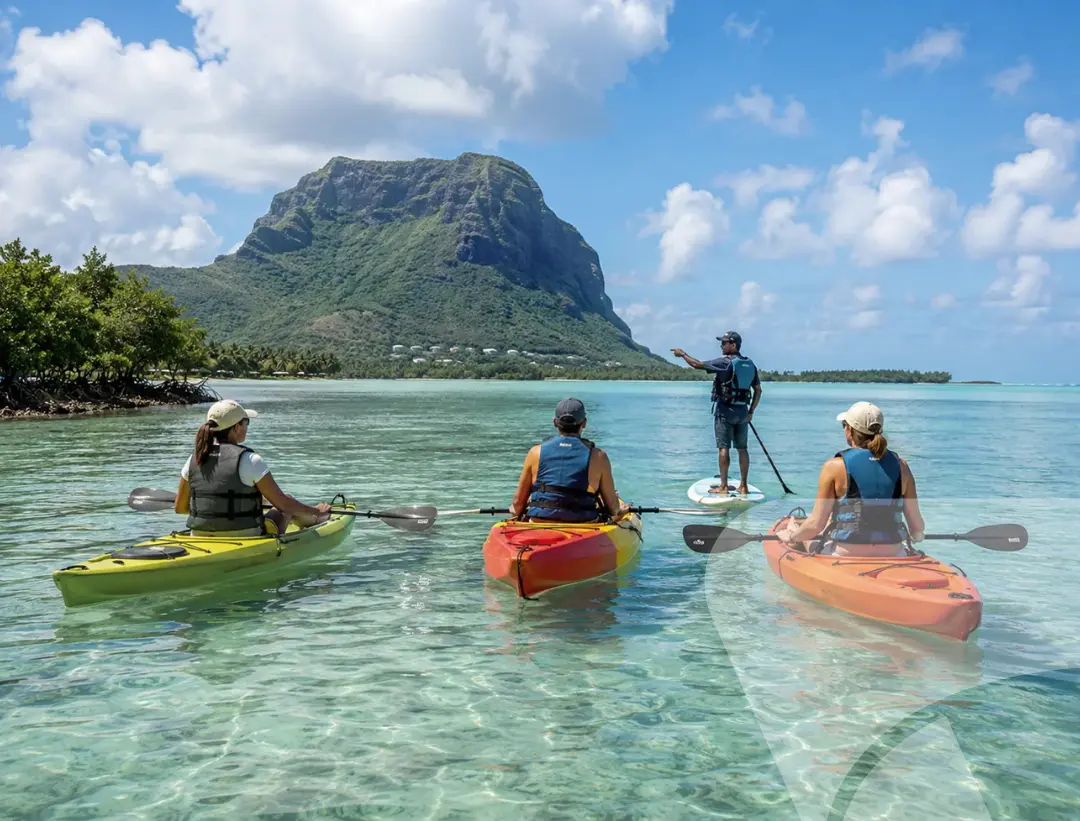
Our islands are deeply connected to the ocean. Tourism, fisheries, aquaculture, maritime transport, biotechnology and marine renewable energy are just some of the economic activities that depend on marine resources. Together, these sectors offer significant opportunities to create jobs, strengthen food security and drive innovation, provided they are developed through a sustainable and collaborative approach.
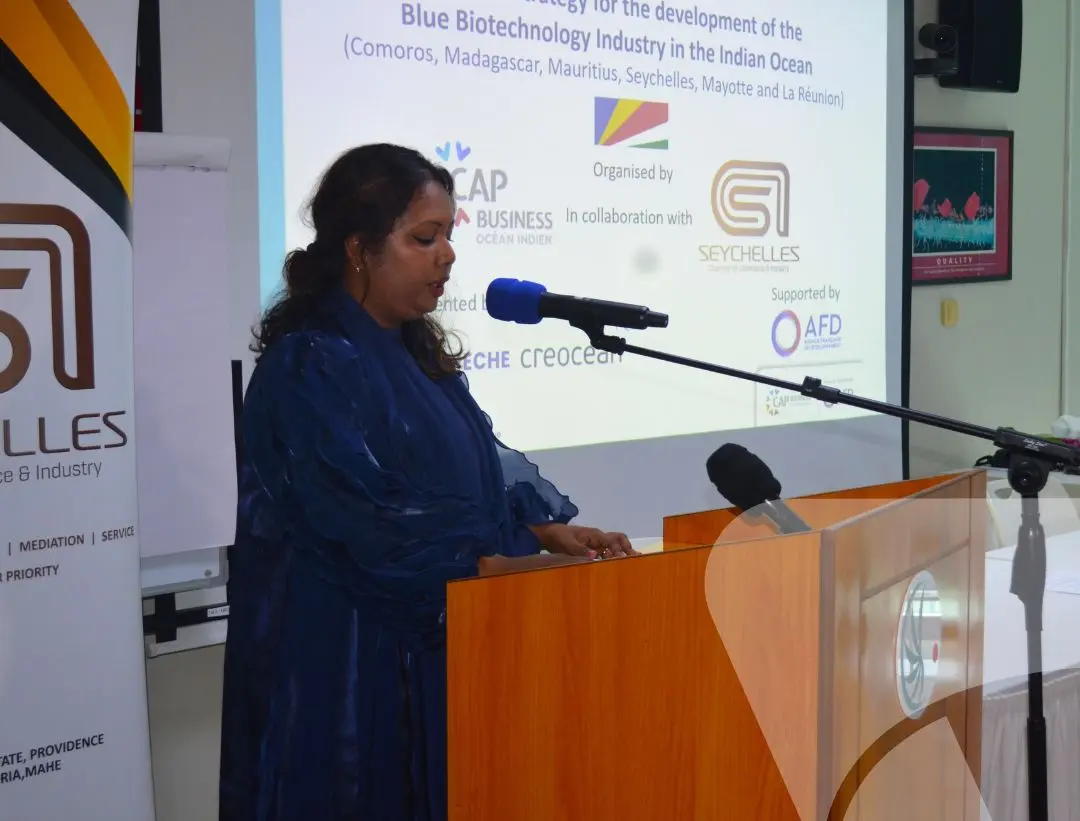
Across the Indian Ocean, the blue economy is developing at different rates, shaped by the knowledge and capabilities available, as well as each country’s resources, infrastructure and policy environment. While building on established sectors such as coastal tourism and fisheries, the association also works to foster emerging economic activities, including marine biotechnology.
Vision
Cap Business Océan Indien promotes a collaborative, sustainable and inclusive blue economy built around three key pillars:
- Protecting marine ecosystems.
- Creating sustainable jobs, resilient businesses and opportunities for young people.
- Strengthening regional cooperation to maximise collective impact.
Economic development and the preservation of our ocean resources must go hand in hand. The goal is to promote a responsible and regenerative approach to ocean use, one that benefits both present and future generations.
Our areas of focus
- Raise awareness to strengthen stakeholders’ understanding and perception of the blue economy.
- Gather, develop and share knowledge to shape a strategic action plan.
- Build capacity and support project leaders to foster a shared commitment to the blue economy across the region.
Related projects
Project Manager
Nawshin Mahadooa
E: ocean@capbusiness.io
Agriculture and Agro-industry
Introduction
The Covid-19 pandemic, the war in Ukraine and tensions in the Middle East have significantly disrupted the supply of food to island territories across the region. Border closures, disruptions to logistics flows, rising freight costs and the depreciation of national currencies against the US dollar have all highlighted the need to strengthen food sovereignty across our territories. And we are convinced that the answer lies in greater regional cooperation.
At the same time, the sustainable development of agricultural value chains requires addressing a range of challenges, including climate change, soil protection and the responsible use of water resources. Cap Business Océan Indien works to promote sustainable practices and support stakeholders across these sectors in their transition towards more sustainable and resilient agricultural systems.
Our areas of focus
- Promote the export of agricultural raw materials among producers and operators across the region.
- Train and raise awareness among operators of the applicable food safety and sanitary standards across the region’s island territories.
- Connect regional supply and demand to leverage the complementary strengths of the islands and reduce their dependence on imported products.
Project Manager
Nivershee Theeroovengadum
E: resilience@capbusiness.io
Connectivity
Introduction
Connectivity between the region’s island territories, by sea, air and digitally, remains limited, despite its critical role in facilitating trade and enabling the development of regional value chains. Establishing new shipping routes and services is now essential to unlocking the potential of many high-value regional sectors.
Constructive dialogue between the public and private sectors is key to developing long-term solutions. A collective approach is needed to strengthen the business resilience of our territories in the face of disruptions such as rising freight costs and container shortages, while also anticipating the impact of new environmental regulations on operating costs. To date, Cap Business Océan Indien has focused its efforts primarily on strengthening maritime connectivity.
Our areas of focus
- Facilitate and structure regional public-private dialogue to identify the regional and national barriers hindering the development of inter-island shipping routes.
- Build skills in maritime professions and support the professionalisation of the maritime workforce.
- Support initiatives aimed at improving regional logistics and freight transport services.
- Develop knowledge and raise awareness of the opportunities offered by new maritime routes, while advocating for stronger maritime connectivity with national and regional authorities, business operators and shipping companies.